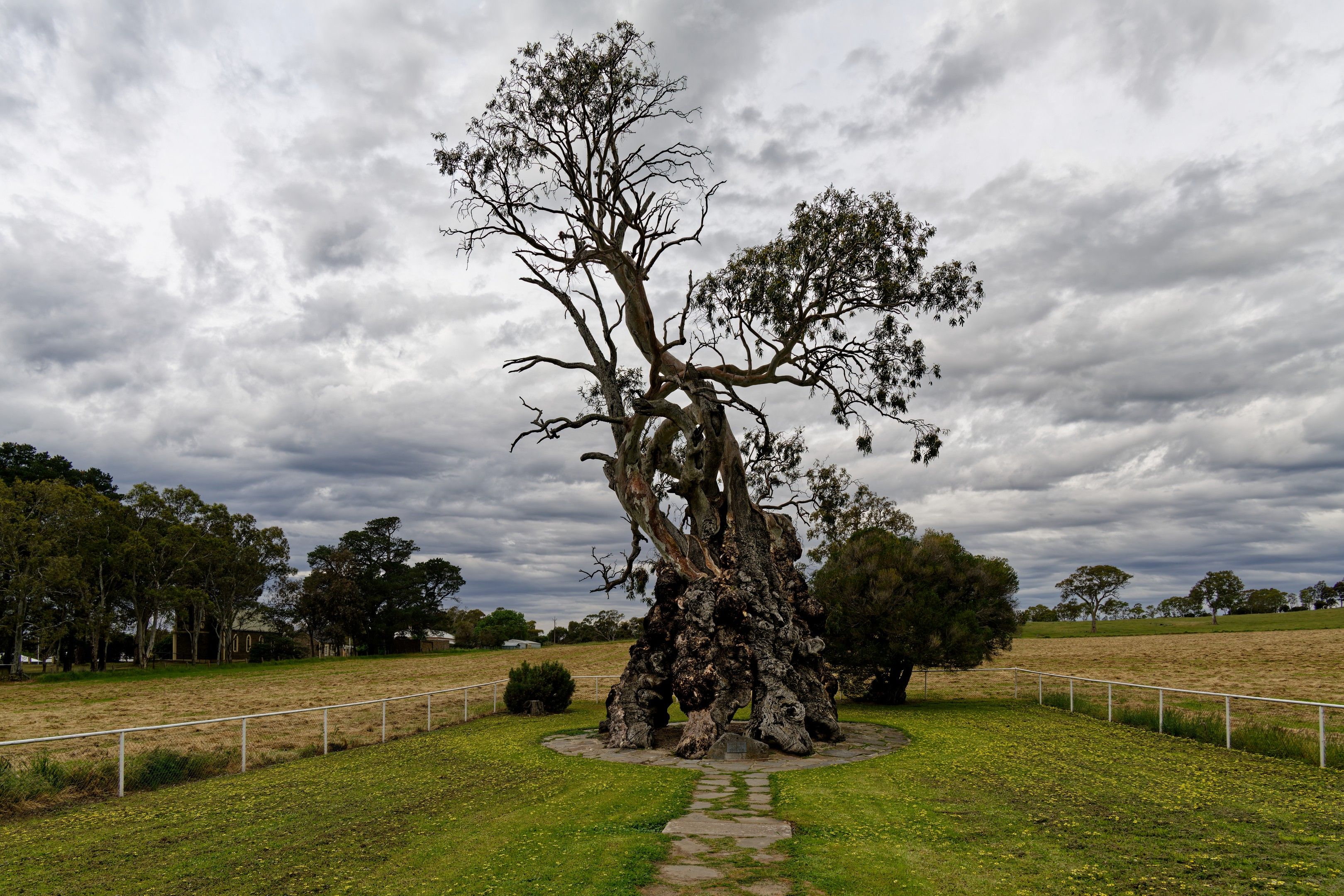
Why Are Trees Declining?
Large mature trees are resilient, but not indestructible. Many of Britain’s veteran trees evolved under conditions that no longer exist, and the pace of change is now faster than they can adapt. Decline is rarely one thing - it’s usually several pressures acting together over time.
Soil Compaction
Foot traffic, vehicles and machinery compress the soil around roots, removing the air spaces roots need.
Drought Stress
Longer, more frequent dry spells stress mature trees, especially in towns and cities.
Flooding & Waterlogging
Excess water starves roots of oxygen and damages root systems.
Development Pressure
Construction alters soil, damages roots and disrupts drainage.
Root Damage
Excavation and utility works sever roots that support health and stability.
Diseases & Pests
Stressed trees become far more vulnerable to pathogens and insect attack.
Visitor Pressure
Famous trees draw thousands of visitors; footfall compacts the soil over their roots.
Ageing Infrastructure
Cavities, weak unions and deadwood may need proactive management as trees mature.
The decline of a tree is rarely caused by a single factor - which is why every rescue starts with proper diagnosis.
Signs a tree may need help
Early intervention is critical. If you spot these signs, a tree may be under stress:
Reduced leaf size
Premature autumn colour
Sparse canopy
Crown dieback
Dead branches
Epicormic growth on the stem
Fungal fruiting bodies
Excessive leaf drop
Cracking soil over the root zone
Waterlogged ground at the base
Visible structural defects
Leaning or movement in the root plate
Caught early, these problems can often be turned around.